

Bathtub Crack and Chip Repair Services in Baltimore, Nottingham, MD and Washington, DC
⭐️⭐️⭐️⭐️⭐️ Now offering fast and less expensive, full bathroom remodels as well! Our prices are often half off major remodeling companies!!
26+ Year History with 100% Excellent Reviews




26+!
Years of experience
130,000+
Happy Customers
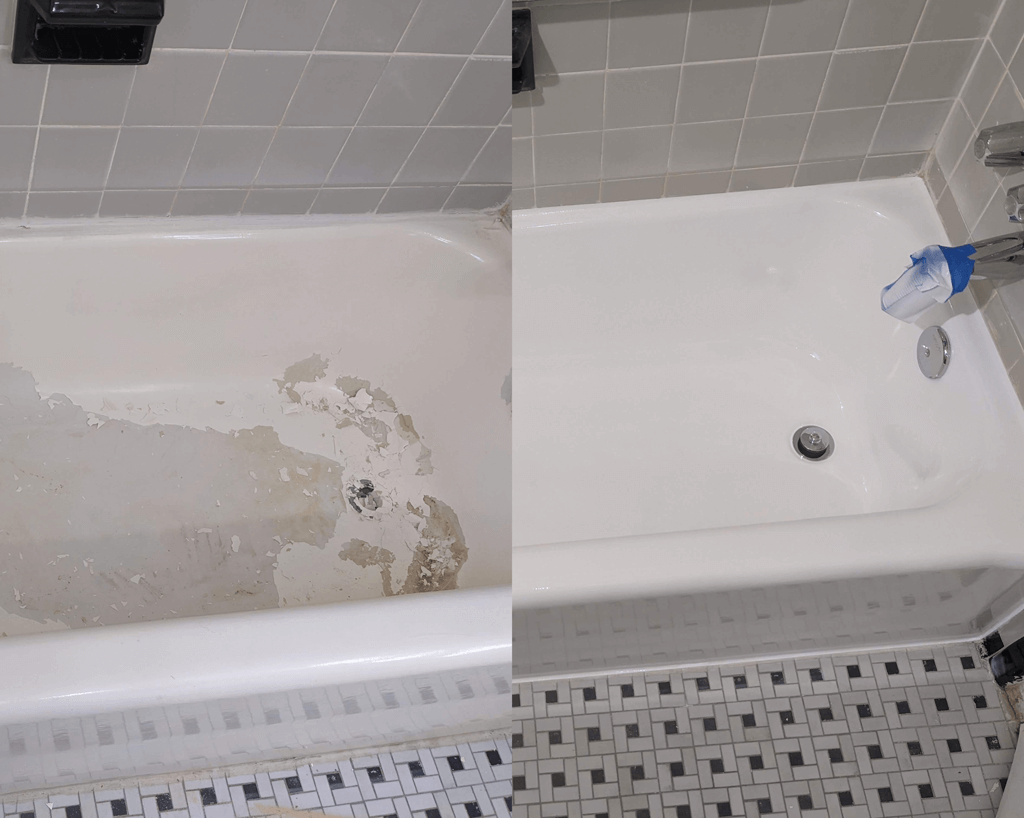
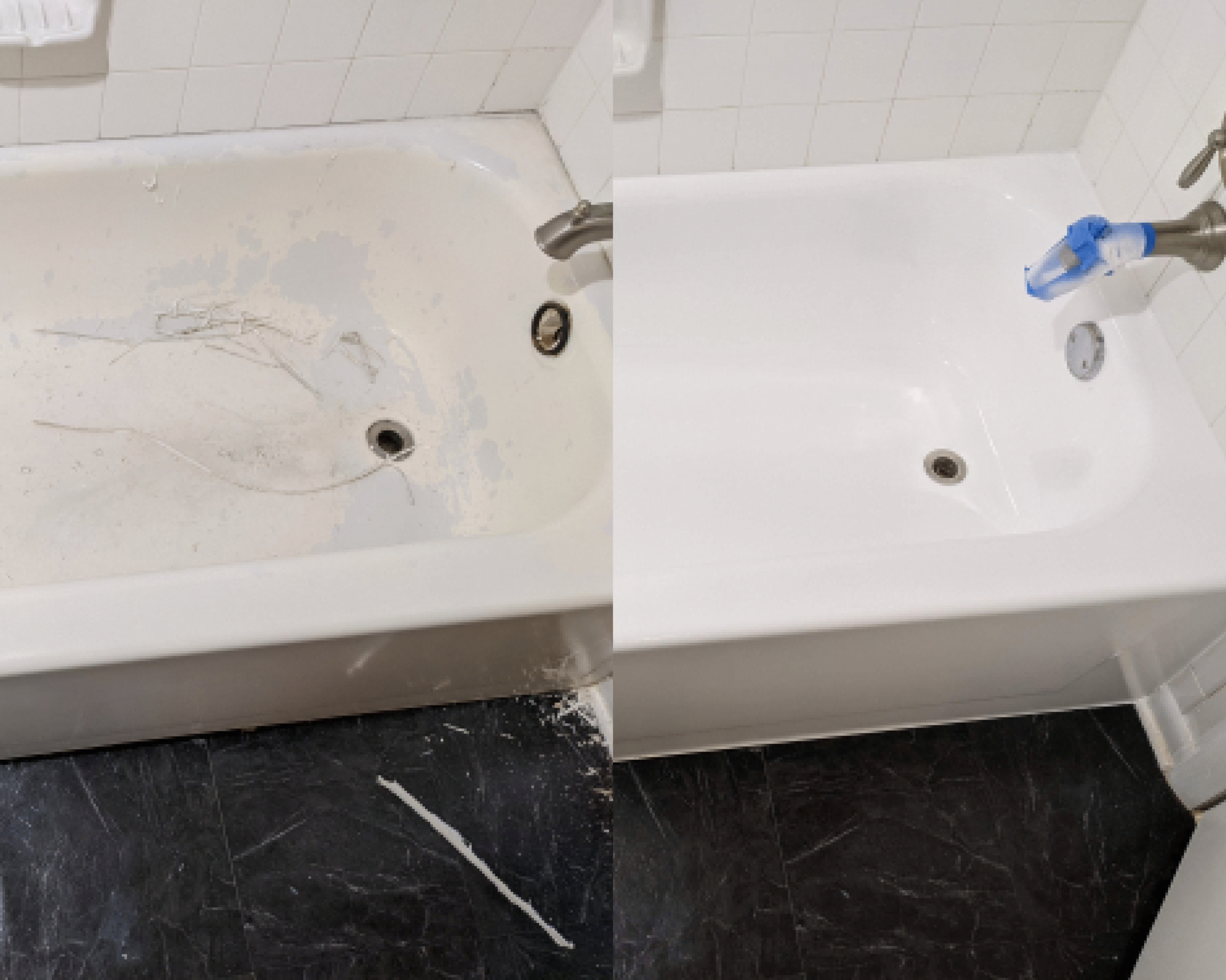
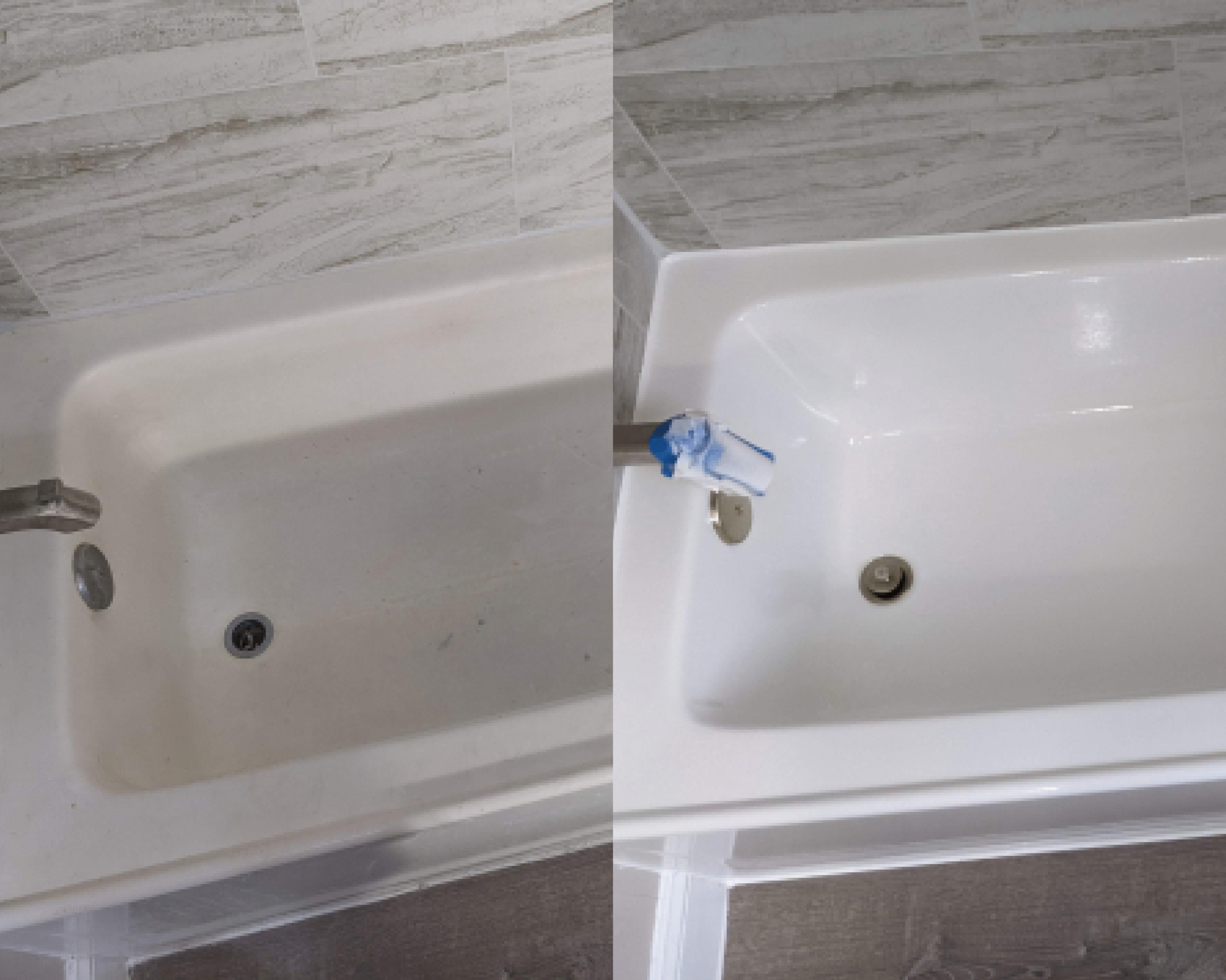
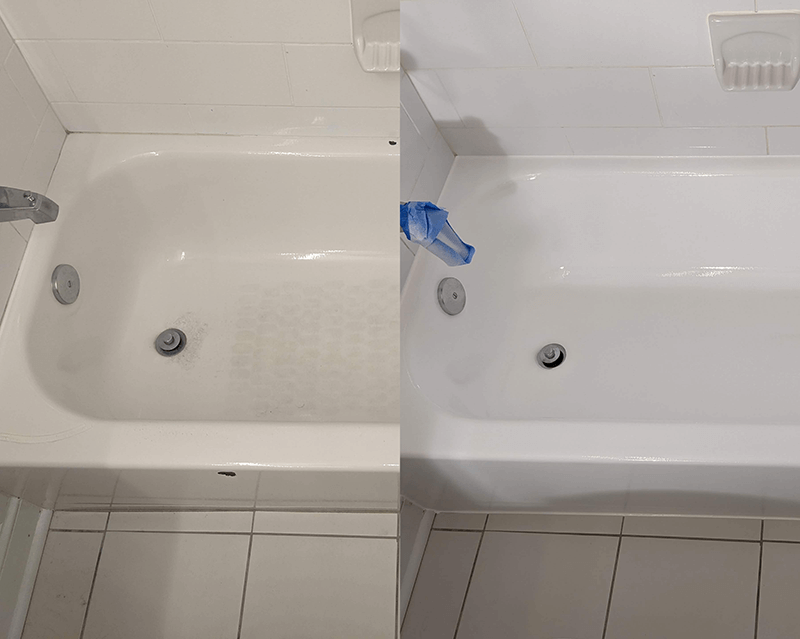
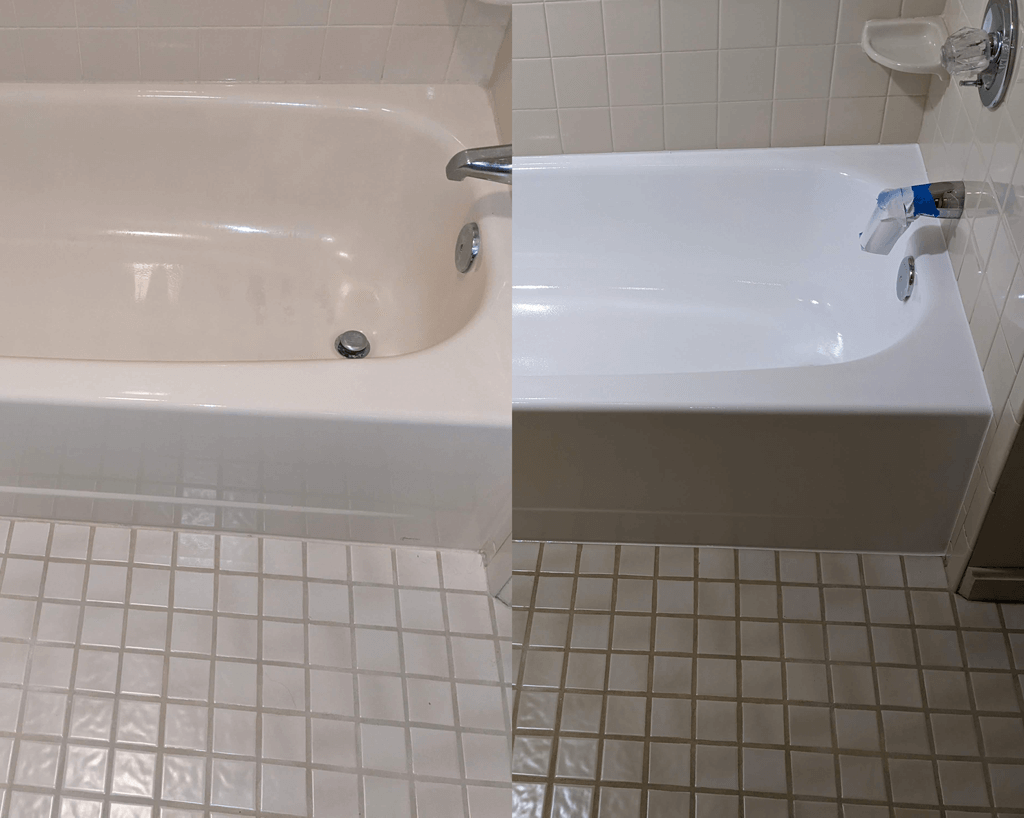
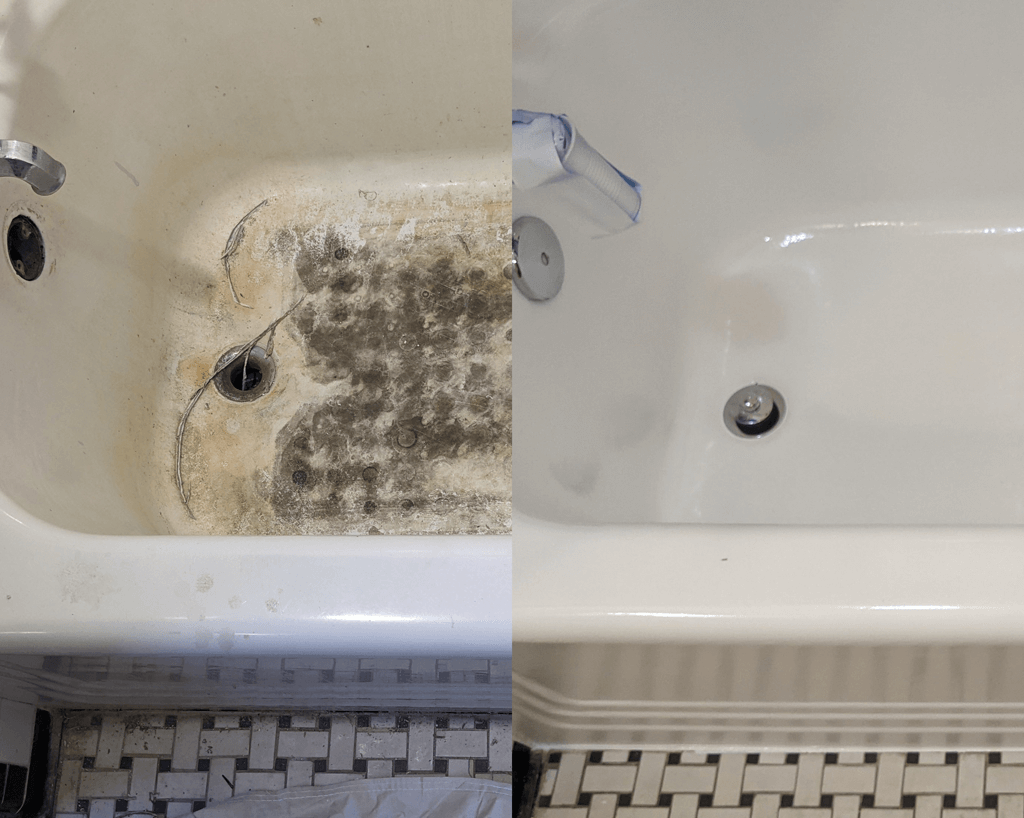
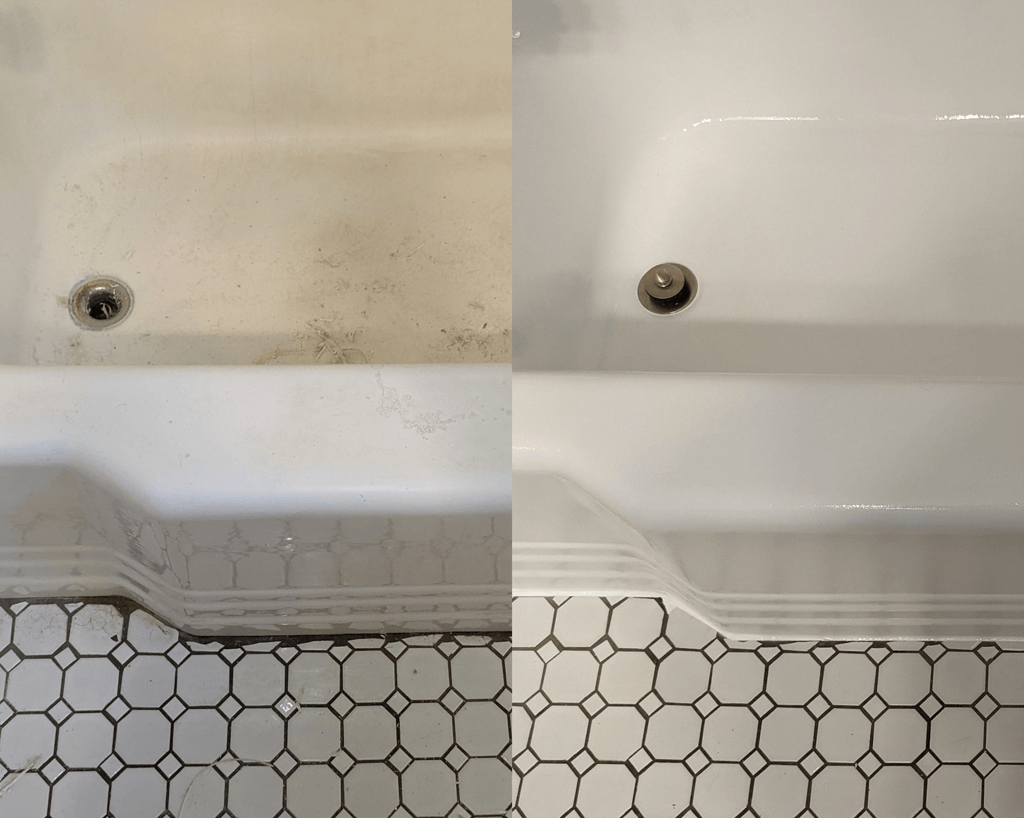
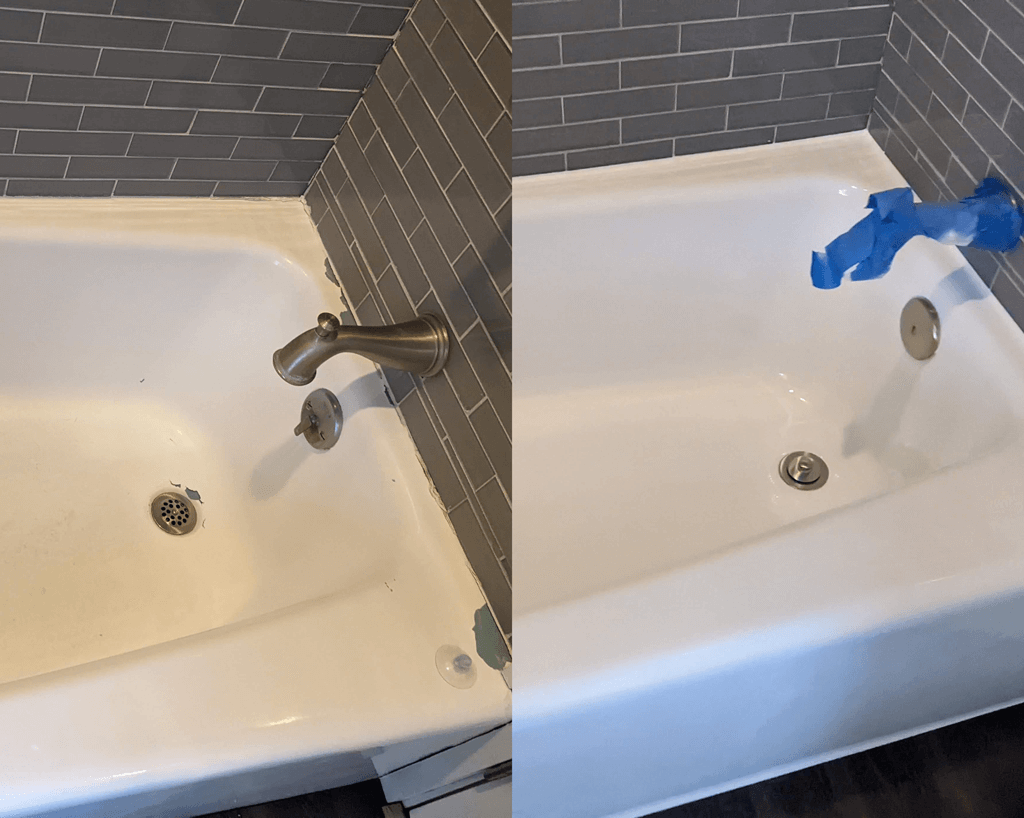
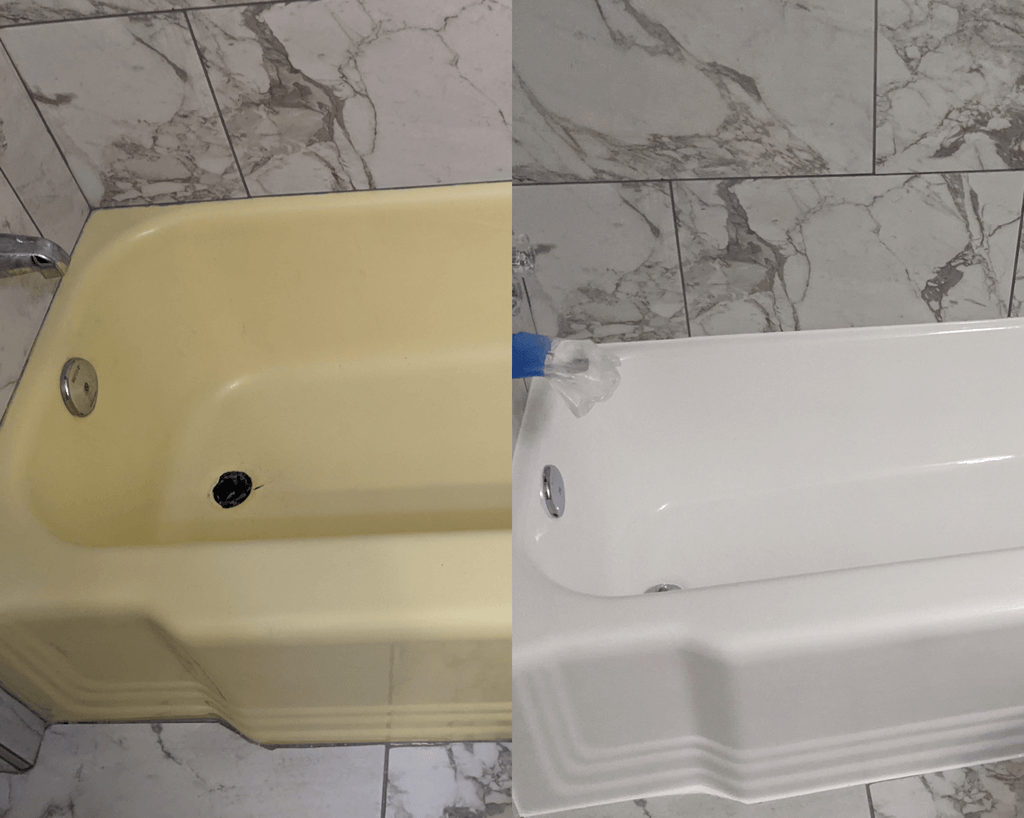
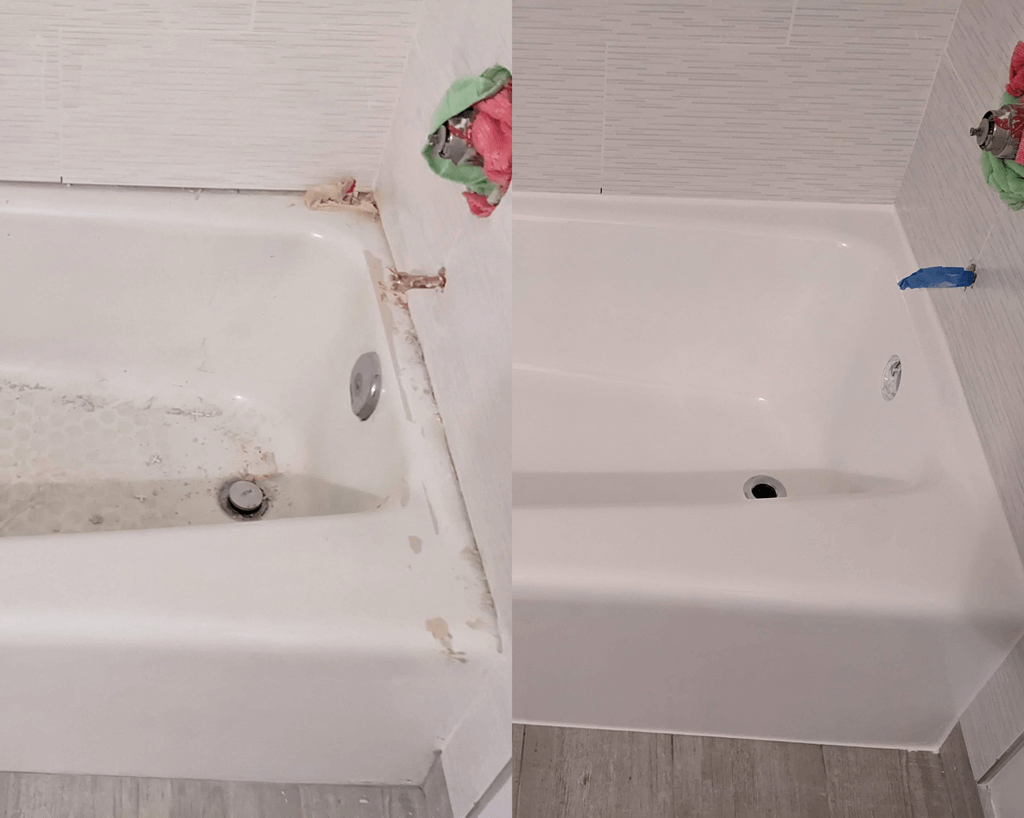
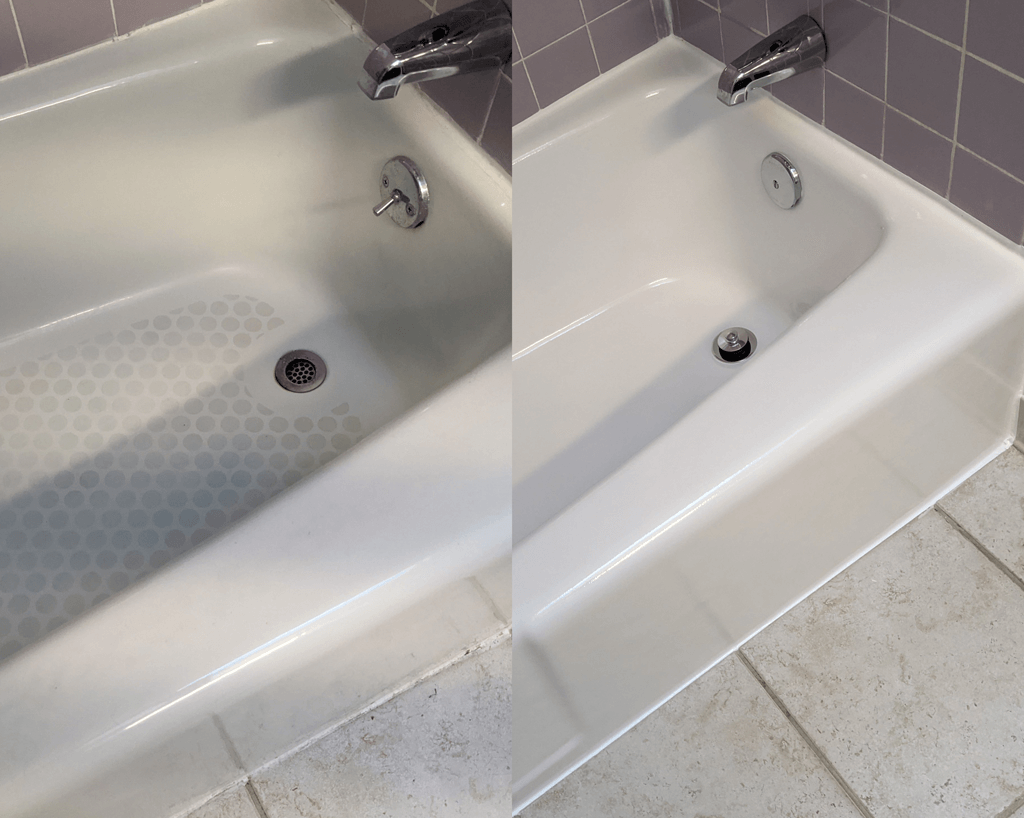
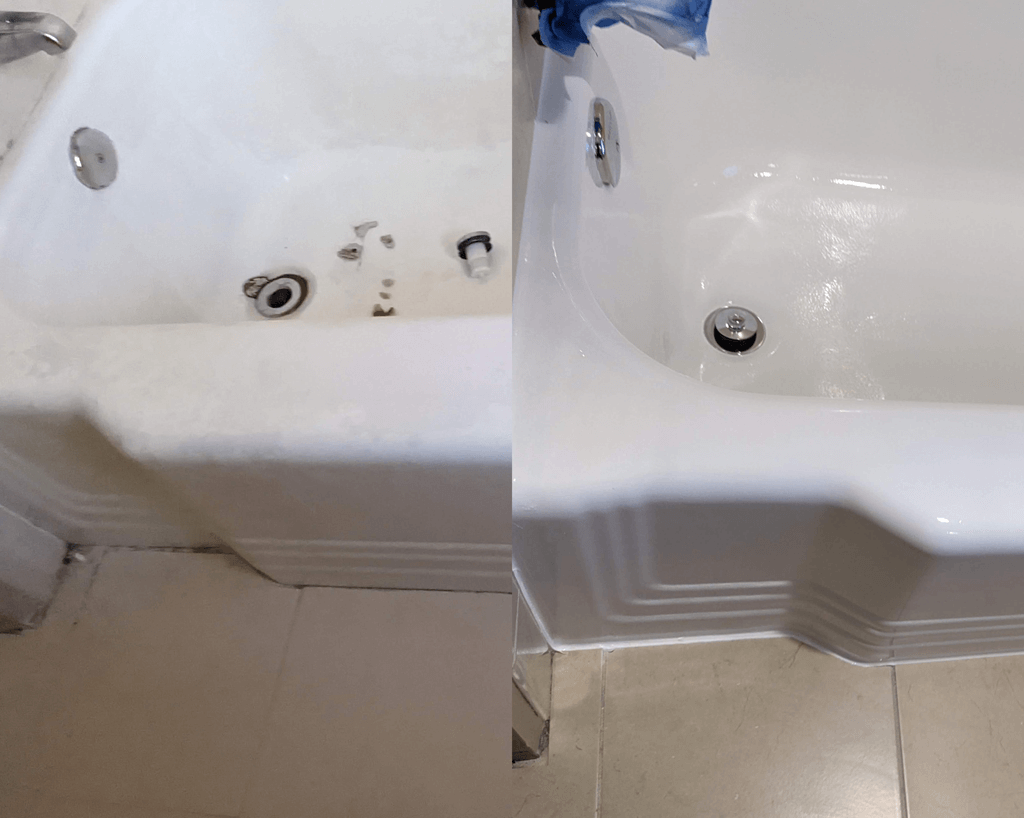
Fill in the form to receive $50 off instantly!
"*" indicates required fields

Bathtub cracks and chips require professional repair, not fixture replacement. Tub Coaters provides expert bathtub crack and chip repair throughout Baltimore, Nottingham, MD, and Washington, DC, using commercial-grade epoxy fillers, resin bonding systems, and precision color-matching topcoats on every tub material including porcelain enamel, cast iron, fiberglass, acrylic, and steel. Our team carries MHIC license #97786, full general liability insurance, and workers compensation coverage, and brings 26+ years of regional experience to every repair we perform. Read our customer results on the Better Business Bureau, Yelp, Angi, and Houzz. Available 24/7 in Baltimore and Washington, DC. Call (410) 324-6057 for your complimentary assessment.
When to Repair vs When to Fully Refinish a Damaged Bathtub
Not every damaged bathtub requires full refinishing, and not every damage situation is appropriate for localized repair alone. Understanding the difference determines which service delivers the best result for your specific situation.
Localized crack and chip repair serves tubs where:
- Damage is isolated to one or a few specific areas
- The surrounding tub surface is in good condition with acceptable color and gloss
- The tub material and existing finish are compatible with targeted repair approach
- The homeowner’s goal is restoring specific damage without addressing overall surface refresh
Full bathtub refinishing and reglazing is more appropriate when:
- Multiple damage points are distributed across the tub surface
- The surrounding surface shows widespread yellowing, loss of gloss, or staining
- Color change or uniform surface refresh is the overall goal
- An existing failed refinishing job requires complete removal and recoating
Our technicians provide honest assessments that recommend the appropriate scope of service rather than defaulting to more extensive work than each specific situation warrants.
Material-Specific Crack and Chip Repair Techniques
Porcelain Enamel on Cast Iron
Cast iron tub chip and crack repair requires specific attention to rust prevention at exposed substrate. Our process removes all existing rust, applies rust-inhibiting primer to exposed cast iron, then uses ceramic-compatible filler matched to the surrounding porcelain surface. Rust prevention at the repair point is the most critical step distinguishing professional cast iron repair from inadequate consumer kit application.
Fiberglass Tub Repair
Fiberglass crack repair uses flexible fillers that move with the substrate during normal use. Rigid fillers applied to fiberglass re-crack as the substrate flexes. Larger cracks may receive fiberglass mat reinforcement. See our dedicated fiberglass tub refinishing page for more information on comprehensive fiberglass restoration.
Acrylic Tub Repair
Acrylic chip repair uses acrylic-compatible epoxy systems with appropriate flexibility for thermoplastic substrates. Color matching for aged acrylic accounts for the tonal variation that occurs as acrylic surfaces develop slightly different shades from their original factory color over time. See our acrylic tub repair service for detailed acrylic-specific information.
Steel Tub Repair
Steel tub porcelain enamel repair follows similar protocols to cast iron, with additional consideration for the thinner steel substrate’s susceptibility to flexion. Repair materials account for steel’s different movement characteristics compared to the rigid cast iron substrate.
Why Prompt Bathtub Crack Repair Protects Baltimore and DC Properties
Unrepaired bathtub cracks pose risks beyond cosmetic deterioration in Baltimore and DC residential properties. Water penetrating through tub floor cracks reaches subfloor structure where humid regional conditions create ideal conditions for rot and mold growth. Insurance carriers increasingly exclude moisture damage claims related to observable but unaddressed plumbing leaks including bathtub crack infiltration.
Historic Baltimore rowhouses and DC row homes with wood subfloor construction face particular risk from moisture penetrating through cracked tubs into structural wood framing. Prompt crack repair represents a modest investment compared to the structural repair costs that develop from sustained moisture infiltration in these properties.
Our Bathtub Crack and Chip Repair Process
- Damage assessment: Complete tub surface inspection identifying all damage points, material type, and any rust, mold, or structural concerns.
- Surface preparation: Thorough cleaning of the entire tub surface and specific cleaning of each damage area.
- Rust treatment: For cast iron and steel tubs, complete rust removal and rust-inhibiting primer at all exposed metal areas.
- Edge preparation: Careful sanding of crack and chip edges to remove loose material and create clean, sound surfaces for filler adhesion.
- Filler application: Commercial-grade substrate-compatible filler applies in controlled layers with curing time between applications.
- Surface leveling: Progressive sanding achieves smooth surface continuity between repaired areas and surrounding tub surface.
- Color matching: Precise color formulation evaluates physical tub surface under controlled lighting to create accurate topcoat match.
- Topcoat application: Color-matched industrial-grade topcoat applies via professional HVLP spray equipment.
- Polishing and completion: Repaired areas receive polishing to match surrounding surface gloss. Fresh perimeter caulking completes the restoration.
Bathtub Chip and Crack Repair in Baltimore and DC Rental Properties
Property managers throughout Baltimore County, Baltimore City, Prince George’s County, Montgomery County, and Washington, DC rely on Tub Coaters for rapid bathtub crack and chip repair between tenant occupancies. Our same-day completion and 24-to-48-hour return-to-service timeline fits tenant transition schedules without extending vacancy periods.
Our commercial bathtub refinishing service provides volume pricing for property managers maintaining multiple rental units. Coordinated scheduling across multiple units in the same property maximizes efficiency and minimizes property access disruptions during maintenance windows.
Why Baltimore, Nottingham, and DC Property Owners Choose Tub Coaters for Crack and Chip Repair
| What We Offer | What It Means for You |
| Licensed MHIC#97786 by the Maryland Home Improvement Commission | Your project is covered by verified, state-certified expertise |
| Fully Insured (General Liability + Workers Compensation) | Zero liability for you if anything goes wrong on your property |
| BBB Accredited Business | Third-party verified track record of customer satisfaction |
| 26+ Years Serving Maryland and Washington, DC | Deep regional knowledge and a proven community reputation |
| 130,000+ Successfully Completed Projects | Experience across every surface type, material, and condition |
| Same-Day Completion on Most Projects | Your bathroom is back in service in 24 to 48 hours |
| Comprehensive Service Portfolio (14 Services) | One call covers every bathroom and kitchen surface you need restored |
| Available 24/7 for Assessments and Urgent Service | We respond when it matters most, any time of day or night |
FAQs About Bathtub Crack and Chip Repair
What is professional bathtub crack and chip repair?
Professional bathtub crack and chip repair is a targeted restoration service that addresses isolated surface damage including chips, cracks, gouges, and scratches on bathtubs made of porcelain enamel, cast iron, fiberglass, acrylic, and steel. Tub Coaters uses commercial-grade epoxy fillers, resin bonding systems, and precision HVLP color-matching topcoats to repair damage points and blend repairs seamlessly with the surrounding surface. The result is a structurally sound, visually continuous surface that requires no fixture replacement.
What types of bathtub damage does crack and chip repair address?
Tub Coaters repairs surface chips from dropped tools and heavy objects, spider cracks from structural flex loading, hairline fractures in fiberglass and acrylic substrates, impact cracks in porcelain enamel on cast iron, small gouges and worn areas from long-term daily use, drain surround damage from hardware contact, and surface deterioration around faucet and showerhead fixtures. Damage that results in structural failure of the tub or plumbing penetration requires evaluation before repair work begins.
How does professional bathtub chip repair compare to store-bought repair kits?
Professional bathtub chip repair consistently outperforms store-bought kits in adhesion, durability, color accuracy, and surface finish quality. Consumer kits use single-component fillers with limited adhesion strength, imprecise color options, and no surface profiling or bonding primer steps. Professional repair uses commercial-grade two-part epoxy fillers, substrate-specific bonding primer systems, and HVLP color-matched topcoats that achieve adhesion and durability standards consumer products cannot replicate. DIY repairs typically fail within 6 to 18 months, while professional repairs hold up for the full service life of the refinished surface.
How long does bathtub crack and chip repair take in Baltimore and DC?
Most bathtub crack and chip repair projects in Baltimore, Nottingham, and Washington, DC complete within two to four hours from technician arrival to project completion. The specific timeline depends on the number of damage points, the depth and width of each crack or chip, the complexity of color matching required, and whether damage requires reinforcement materials such as fiberglass mat for larger cracks. Repaired surfaces require 24 to 48 hours before use during curing.
How long does a professionally repaired crack or chip last?
A professionally executed bathtub crack or chip repair lasts as long as the surrounding tub surface when performed with appropriate materials and technique. The critical factors are complete substrate preparation before filler application, compatible filler selection for the specific tub material, adequate curing of each filler layer before topcoat application, and proper color-matched topcoat application using professional equipment. Repairs performed with these standards become permanent surface repairs rather than temporary patches.
Can you repair a crack in a porcelain enamel cast iron tub?
Yes. Porcelain enamel crack repair on cast iron tubs requires specific attention to the risk of rust formation at the damaged area. Chips and cracks that expose the cast iron substrate to water and air create rust development at the exposure point, which must be completely addressed before filler application. Our repair process includes rust removal and rust-inhibiting primer application at exposed cast iron areas before filling and topcoating. This critical step prevents rust from continuing to develop beneath the repair.
Can you repair a cracked fiberglass bathtub?
Yes. Fiberglass bathtub crack repair uses fiberglass-compatible filler systems that bond chemically to the fiberglass composite substrate. Larger cracks in fiberglass may receive fiberglass mat reinforcement on the reverse side when accessible, or reinforcing filler layers applied from the exposed side for built-in enclosure installations. Flexible filler formulations are essential for fiberglass because the substrate flexes slightly during use, and rigid fillers re-crack as the substrate moves. Our technicians use flexible, fiberglass-specific materials for all fiberglass crack repairs.
Can you fix a chip in an acrylic bathtub without replacing it?
Yes. Acrylic bathtub chip repair restores the surface using acrylic-compatible fillers and flexible topcoat systems. Acrylic chips typically have clean, defined edges that respond well to professional filler application when the surrounding substrate remains undamaged. Color matching for acrylic chips requires precise tonal matching because acrylic surfaces can develop slight color variation from the original factory shade over time. Our color-matching process evaluates physical samples and accounts for aging tonal shifts.
Do you repair cracks and chips in steel bathtubs?
Yes. Steel bathtubs with porcelain enamel coatings receive crack and chip repair similar to cast iron tubs, with particular attention to rust prevention at exposed steel substrate. Steel tubs are thinner than cast iron and more susceptible to denting and flexion, so chip repair on steel tubs includes assessment of whether structural deformation at the damage point affects repair adhesion or durability.
What causes bathtub chips in Baltimore and DC homes?
Bathtub chips in Baltimore and DC residential properties result from dropped heavy objects during bathroom use and renovation projects. Common causes include tools dropped during plumbing or fixture work, heavy shampoo bottles or personal care containers, metal bath accessories falling from shelves or hooks, grab bar installation impacts, and shower hardware contact during installation. Rental properties with frequent tenant occupancy and periodic renovation experience higher chip frequency than owner-occupied properties with stable daily use patterns.
What causes bathtub cracks in Baltimore and DC homes?
Bathtub cracks result from several conditions common in Baltimore and DC residential properties. Structural stress cracks in fiberglass and acrylic tubs develop from inadequate installation support, allowing flex loading during use. Porcelain enamel on cast iron can crack from impact by heavy objects or from thermal shock when very hot water contacts a very cold tub surface. Aging acrylic becomes more brittle and may develop spider cracking from normal use. Settlement in older Baltimore and DC buildings can create stress in plumbing connections that transmits to tub surfaces.
Is it urgent to repair a bathtub crack in Baltimore and DC homes?
Yes. Prompt repair of bathtub cracks prevents progressive damage that extends the scope and cost of eventual repair. Cracks allow water to penetrate beneath tub surfaces, where moisture causes rust formation in cast iron fixtures, delamination in fiberglass, and substrate degradation in all material types. Water that penetrates through tub floor cracks reaches the subfloor structure beneath the bathroom, creating conditions for rot and mold growth that represent significant structural repair costs. Repairing cracks promptly avoids these downstream consequences.
Can you repair bathtub cracks without draining or moving the tub?
Yes. Bathtub crack and chip repair occurs entirely from the accessible interior surface of the tub without moving, lifting, or draining the fixture beyond normal use water removal. Our repair process works entirely within the bathroom space with no structural modifications. This in-place repair capability is one of the primary advantages of professional repair over fixture replacement, which requires complete tub removal and often involves access through floors and walls.
How does bathtub crack repair prevent mold growth in Baltimore homes?
Unrepaired bathtub cracks provide direct water penetration pathways into the substrate and subfloor structure below the bathroom. In Baltimore and DC’s humid climate conditions, moisture trapped beneath tub surfaces creates ideal conditions for mold and mildew growth that spreads through building materials. Professional crack repair seals these penetration pathways, preventing moisture from reaching the structural materials below. Prompt repair of even small cracks eliminates the moisture access that initiates mold growth in the confined, humid space beneath bathroom fixtures.
Can you do bathtub chip repair on a tub that has already been refinished?
Yes. Chip repair on previously refinished tubs uses the same professional technique as repair on original factory finishes. The key consideration is color matching to the existing refinished surface rather than to the original factory color, since refinished surfaces may have slight color variation from factory finishes. Our technicians sample the existing refinished color during assessment to develop accurate color formulations for repair topcoat application.
What is the process for bathtub crack repair at Tub Coaters?
Our crack repair process begins with thorough cleaning of the entire tub and specific preparation of the crack area. Any rust at exposed cast iron or steel receives complete removal and treatment with rust-inhibiting primer. The crack edges receive careful sanding to remove loose material and create clean surfaces for filler adhesion. Filler applies in layers with curing time between applications to achieve proper surface elevation without shrinkage voids. After final cure, filled areas receive progressive sanding to achieve smooth surface continuity with the surrounding tub. Color-matched topcoat applies using professional HVLP equipment, and polishing completes the repair to match surrounding surface gloss.
Can bathtub crack repair be combined with full refinishing?
Yes. Many projects combine targeted crack and chip repair with full bathtub refinishing and reglazing for the most comprehensive and visually uniform result. Combining repair with full refinishing ensures all damage receives attention before fresh topcoat covers the entire surface uniformly. The combined approach is particularly recommended for tubs with multiple damage points, yellowing or discoloration in the surrounding surface, or outdated colors where uniform surface quality across the entire fixture is the goal.
Do you repair chips in hotel and rental property bathtubs in Baltimore and DC?
Yes. Commercial bathtub crack and chip repair for rental properties, hotels, and multi-unit residential facilities throughout Baltimore and DC is one of our most active service categories. Rental properties experience higher chip and crack frequency than owner-occupied homes. Our commercial services prioritize rapid turnaround, with most repairs completing in a single visit with surfaces ready within 24 to 48 hours for re-occupancy. Volume pricing for property managers maintains cost efficiency across multiple unit repair schedules. Our commercial bathtub refinishing service provides property management-specific information and volume pricing programs.
Can you repair a crack in the bathtub floor?
Yes. Tub floor crack repair is among our most common repair scenarios. Bathtub floor cracks develop from repeated flex loading when tubs lack adequate support beneath the floor surface, from impact by heavy objects dropped during use, and from structural stress in aging fixtures. Floor cracks receive our most thorough repair protocol because they represent the highest risk for water penetration to the subfloor structure. Flexible filler systems and appropriate reinforcement ensure floor crack repairs accommodate the flex loading that will continue during future use.
How do you guarantee the repair matches the existing tub color?
Tub Coaters uses a multi-step color matching process for all crack and chip repairs. Our technicians evaluate the tub’s original manufacturer color documentation where available, assess the physical tub surface color under controlled lighting, and account for any tonal variation from aging. Custom color formulations are prepared specifically for each repair, and test applications compare against the physical surface before full topcoat application. After curing, repaired areas receive polishing to achieve gloss level matching that completes the visual integration of the repair with the surrounding surface.
Is bathtub crack and chip repair a permanent fix?
Professional bathtub crack and chip repair produces permanent results when performed with appropriate materials, thorough preparation, and correct application technique. The permanence of specific repairs depends on whether the underlying cause of damage is addressable through surface repair alone. Structural causes such as inadequate tub support require attention to prevent new cracks forming after repair of existing damage. Our technicians assess whether structural conditions contribute to damage during initial evaluation and provide recommendations for addressing underlying issues alongside surface repair.
Can you repair a crack that has allowed water damage to the wall or floor?
Water damage to wall or floor structure from an existing tub crack represents a building repair issue that extends beyond bathtub refinishing scope. Our assessment identifies active water penetration evidence and recommends appropriate building repair before tub repair work. Applying surface repair over an active water penetration path without addressing the structure creates conditions for progressive damage to continue behind the repaired surface. Building structure repair should precede tub repair to ensure the tub repair creates a fully sealed, effective barrier.
What should I do immediately after I notice a chip or crack in my bathtub?
After noticing chip or crack damage, avoid abrasive cleaning of the damaged area and take care not to enlarge the damage through additional impact. For cast iron and steel tubs, apply a rust inhibitor from a hardware store if the metal substrate is exposed, to prevent rust formation while scheduling professional repair. Avoid leaving water standing at or near the damaged area. Schedule professional assessment promptly to prevent the damage from expanding or allowing water penetration that increases the repair scope. Call (410) 324-6057 to arrange a prompt assessment.
Do you repair bathtub cracks in historic Baltimore rowhouses?
Yes. Historic Baltimore rowhouses from the late 19th and early 20th century commonly contain original cast iron bathtubs with thick porcelain enamel that represents quality unavailable in modern fixtures. These original tubs are worth preserving through professional repair and refinishing rather than replacement. Our technicians understand the preparation requirements for aged porcelain enamel including techniques that address crazing, surface wear, and chip damage accumulated over decades of use while preserving the architectural value these fixtures contribute to historic Baltimore properties.
Can bathtub chip repair extend how long my tub lasts before needing full refinishing?
Yes. Prompt professional chip repair extends the service life of existing finishes by preventing the progression of isolated damage into more extensive surface deterioration. A single chip that allows moisture to penetrate the coating can cause lifting and delamination of surrounding intact coating as moisture migrates beneath the existing finish. Repairing chips before this progression begins preserves the surrounding sound coating and delays the need for comprehensive refinishing. Our bathtub refinishing and reglazing service remains available for tubs where damage has progressed beyond what localized repair can address.
What is the cost difference between bathtub crack repair and full tub replacement?
Professional bathtub crack and chip repair costs substantially less than full tub replacement in Baltimore and DC properties. Tub replacement involves fixture procurement, delivery, demolition of surrounding tile and enclosure, plumbing disconnection, installation, plumbing reconnection, surrounding area repair, and disposal, adding up to a substantial multi-trade project scope. Professional crack and chip repair requires none of these additional steps. Call (410) 324-6057 to discuss specific service options and determine which approach best serves your situation. We provide honest assessments rather than upselling services beyond what your specific damage requires.
Do you repair bathtub cracks in fiberglass one-piece tub-shower units?
Yes. One-piece fiberglass tub-shower units develop cracks at specific stress points including the tub-to-shower wall transition, the soap dish surround, and the tub floor near the drain. Repair of these units uses fiberglass-compatible flexible filler systems and, where accessible, reinforcing mat on the reverse side of larger cracks. Full fiberglass bathtub refinishing of the complete unit interior is often recommended alongside crack repair to address both specific damage and the general surface deterioration that accompanies cracking in aging fiberglass fixtures.
How do I schedule bathtub crack and chip repair in Baltimore, Nottingham, or Washington, DC?
Call (410) 324-6057 to schedule a complimentary on-site assessment for your damaged bathtub. Our technician evaluates the damage, identifies the tub material, determines the appropriate repair approach, and provides a detailed project scope. Most bathtub crack and chip repair projects schedule within one to two weeks of the initial assessment. Urgent situations including active water infiltration through cracks receive priority scheduling. We serve all Baltimore and DC metro residential and commercial properties Monday through Saturday.
Areas We Serve: Baltimore, Nottingham, MD, and Washington, DC
Tub Coaters provides professional refinishing and repair services throughout Baltimore, Nottingham, Washington, DC, Northern Virginia, Montgomery County, Prince George’s County, Baltimore County, Howard County, Anne Arundel County, Charles County, and communities throughout Maryland and the greater Washington, DC metropolitan region.
Schedule Your Bathtub Crack and Chip Repair in Baltimore, Nottingham, or DC
Tub Coaters repairs bathtub chips and cracks throughout Baltimore, Nottingham, and Washington, DC with commercial-grade materials and professional technique that produces permanent, invisible results. For tubs needing more comprehensive restoration, our bathtub refinishing and reglazing service and acrylic tub repair address complete surface restoration needs. Read what customers say on Yelp and Trustpilot. Call (410) 324-6057 today for your complimentary crack and chip repair assessment.
Contact US Now


