


Why Baltimore Cast Iron Bathtubs Develop Rust Spots and How to Stop It
Rust spots on a cast-iron bathtub signal surface coating failure, not tub failure. The tub itself is not ruined. The protective porcelain enamel has been breached, and the exposed cast iron is oxidizing. Tub Coaters has restored cast iron bathtubs throughout Baltimore, Nottingham, MD, and Washington, DC for over 26 years, completing 130,000+ projects with MHIC license #97786, general liability insurance, and workers compensation coverage. Our licensed technicians eliminate rust, restore protective coatings, and bring cast iron tubs back to factory-quality appearance without replacement. Verify our credentials and read customer reviews on the Better Business Bureau, Yelp, Angi, and Houzz. Available 24/7 throughout Baltimore and Washington, DC. Call (410) 324-6057 for your complimentary cast iron tub assessment.
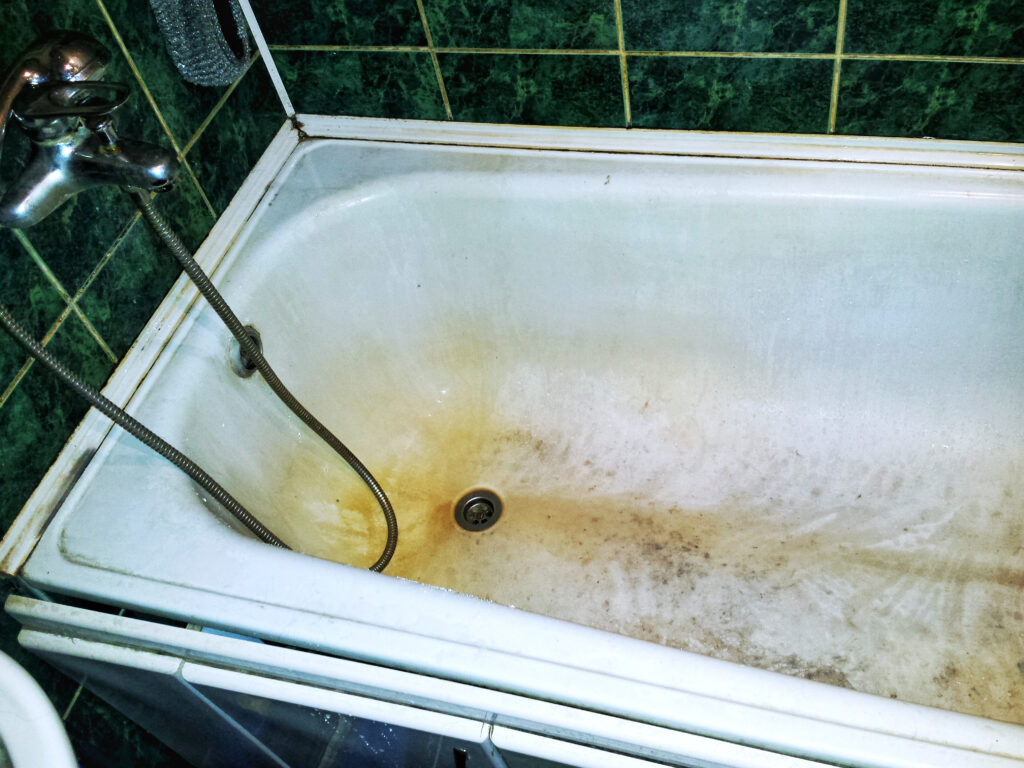
Cast Iron Tub Rust: Why the Tub Itself Is Not the Problem
Cast iron is one of the most durable materials ever used in residential construction. Baltimore rowhouses from the early and mid-20th century contain cast iron bathtubs that have been in continuous use for 80 to 100 years. The cast iron itself does not wear out, deteriorate, or fail under normal bathroom conditions.
The problem is the protective porcelain enamel coating that covers the cast iron interior. This coating is what separates iron from the water and oxygen that cause oxidation. New cast iron tubs arrive from the factory with a layer of vitreous enamel fused to the iron surface at extremely high temperatures, creating a hard, impermeable, non-porous surface that resists rust formation for decades.
Every rust spot visible on a cast iron bathtub starts at a single point where the porcelain enamel has been breached. That breach exposes raw iron to water and oxygen during every bath or shower. Iron plus water plus oxygen produces iron oxide, commonly called rust. The spot that appears is not the entire extent of the problem: rust actively spreads beneath the surrounding porcelain from the original damage point.
How Rust Develops in Baltimore Cast Iron Bathtubs: The Progression
Stage 1: The Initial Breach
Porcelain enamel on a cast iron tub chips from physical impact. A dropped tool during plumbing work, a heavy shampoo bottle falling from a shelf, metal hardware contact during fixture installation, or any significant impact can chip the vitreous enamel at that point. Unlike fiberglass or acrylic, cast iron does not crack from flexion, so every chip in a cast iron tub represents a specific impact event.
The chip may appear minor, sometimes as small as a pinhole, showing dark gray cast iron beneath white or colored enamel. Our bathtub crack and chip repair service specifically addresses these early-stage damage points before they progress to rust. Prompt chip repair is the most effective rust prevention strategy for cast iron tubs in Baltimore’s humid climate.
Stage 2: Active Rust Formation
Once a chip exposes raw iron, each contact with water begins oxidation. The rust spot becomes visible as an orange-brown discoloration at the chip site. This visible rust is the oxidized iron that forms at the surface, but the active oxidation process extends into the iron beneath.
Stage 3: Lateral Spread Beneath the Enamel
Moisture wicks laterally beneath the surrounding porcelain enamel from the original chip site. Rust forms where iron contacts moisture beneath the enamel, even where the enamel appears intact at the surface. The expanding rust front separates enamel from the underlying iron, causing the porcelain to lift away from the substrate. Homeowners notice this as a slightly raised or hollow-sounding area around the visible rust spot when tapped.
Stage 4: Enamel Separation and Surface Enlargement
As rust spreads beneath the enamel and separates it from the iron, the lifted enamel sections eventually break free. The visible rust area enlarges not because the original rust spot expanded, but because more enamel has separated and exposed more iron to view. A rust spot that appeared to cover a small area may have active rust extending beneath intact-appearing enamel across a significantly larger zone.
Why Baltimore’s Climate Accelerates Cast Iron Tub Rust
Summer Humidity
Baltimore’s humid subtropical climate delivers the conditions that drive cast iron oxidation year-round, with peak intensity during summer. July and August bring average relative humidity levels exceeding 70%, with many days reaching 80 to 90% relative humidity during heat events. This ambient moisture provides continuous hydration at any chip damage point, even between shower uses. The bathroom environment, already humid from daily showering, maintains even higher relative humidity levels than outdoor air during Baltimore summers.
Temperature Cycling Effects on Porcelain Enamel
The transition between Baltimore’s hot, humid summers and cold, dry winters creates thermal cycling stress on porcelain enamel. Enamel and cast iron expand and contract at different rates with temperature change. Over decades, this cycling creates microscopic stress at the enamel-iron interface, making the enamel more susceptible to lifting when rust develops beneath it. This is why older Baltimore cast iron tubs show faster rust spread from chip damage than newer cast iron fixtures in the same conditions.
The Historic Housing Stock Factor
Baltimore City, Baltimore County, and surrounding communities contain a high concentration of homes built between the 1920s and 1960s, many with original cast iron bathtubs that have served for 60 to 100 years. The porcelain enamel on these tubs, while still structurally functional, has thinned from decades of use and accumulated micro-stress from temperature cycling. Older enamel transmits chip damage to rust formation faster and shows faster rust spread once it begins. Baltimore and Nottingham homeowners with historic properties benefit most from prompt professional attention to any chip damage before rust can establish.
Warning Signs Your Cast Iron Tub Has Active Rust
- Orange, brown, or reddish-brown discoloration at any point on the tub interior, particularly at chip damage sites
- Rough, pitted, or textured areas where porcelain enamel has separated and flaked from the rust zone
- Hollow sound when tapping the porcelain near a rust spot, indicating enamel-substrate separation beneath
- Visible orange water running into the drain during the first moments of filling the tub
- Staining on the tub floor that appears rust-colored, even after cleaning and the cleaning products do not fully address it
- Small chips in the enamel that appear darker than the surrounding surface, indicating the iron substrate is visible
- A rust spot that appears larger than it did several months ago, indicating active spread beneath the enamel
Our guide on common tub reglazing issues and how to fix them covers additional surface warning signs that appear in cast iron and other tub materials before and after refinishing.
DIY Rust Treatment vs Professional Refinishing
What Store-Bought Rust Treatments Do
Consumer rust treatments including rust converters, naval jelly, and rust-inhibiting primers, coat over existing rust rather than removing it and applying genuine protective barriers to clean metal. These products work by converting iron oxide to a different chemical state (typically iron phosphate) that is less reactive. The conversion is not complete and leaves residual rust chemistry beneath the treatment layer. New rust formation resumes under the converted layer as moisture continues to contact iron.
Consumer rust treatments also do not address the cosmetic damage that rust has caused: the roughened, discolored, pitted surface at the rust site. A consumer-treated rust spot remains visually obvious and physically rough even if the treatment temporarily slows rust progression.
What Professional Rust Removal and Refinishing Delivers
Professional bathtub refinishing and reglazing for cast iron tubs begins with complete rust removal to clean the metal using appropriate mechanical and chemical methods. Every trace of iron oxide removes from all affected areas before any primer or topcoat is applied. This step is the critical difference between professional work and consumer treatment: applying any coating over existing rust produces a coating that fails when the rust continues to develop beneath it.
After rust removal, commercial-grade rust-inhibiting primer applies to all treated metal surfaces. This primer creates a genuine chemical barrier between iron and any future moisture contact, preventing new rust formation at treated areas. The full tub surface then receives professional primer and industrial-grade topcoat, delivering a uniform, bright, rust-free surface that looks factory-new and performs without rust progression for 10 to 15 years with proper care.
The Tub Coaters Cast Iron Bathtub Refinishing Process
- Complete tub assessment: Technician evaluates all chip damage sites, rust extent, porcelain enamel condition, and any areas showing enamel-substrate separation.
- Rust removal: All existing rust removes from chip damage sites and any areas of enamel separation to expose clean iron substrate.
- Rust-inhibiting primer: Commercial-grade rust inhibitor applies to all treated metal surfaces, creating a chemical barrier against future oxidation.
- Surface preparation: Complete tub surface cleaning removes all mineral deposits, soap residue, and contamination. Chemical or mechanical etching creates bonding profile for refinishing materials.
- Chip repair: All chip damage sites receive commercial-grade filler matched to the surrounding surface color after rust treatment and surface preparation.
- Masking and protection: All plumbing fixtures, surrounding tile, flooring, and bathroom elements receive complete protective covering.
- Primer and topcoat application: Industrial-grade primer and multiple topcoat layers apply via professional HVLP equipment, delivering a smooth, uniform, factory-quality finish across the complete tub interior.
- Curing and completion: Fresh caulking seals all perimeter joints. Surface cures for 24 hours before light use and 48 hours before full bathing use.
For cast iron clawfoot tubs, our clawfoot tub refinishing service extends this same process to the exterior surface and decorative feet, delivering complete fixture restoration appropriate for Baltimore’s historic residential properties.
Why Baltimore and DC Cast Iron Tubs Are Worth Saving
The cast iron bathtubs in Baltimore’s Federal Hill rowhouses, Canton bungalows, Roland Park colonials, and Washington, DC’s Capitol Hill and Georgetown townhouses represent quality of construction that modern residential fixtures cannot match. Original cast iron tubs from the first half of the 20th century feature thick, heavy cast iron construction with heat-retention and durability properties that fiberglass, acrylic, and steel bathtubs manufactured today do not replicate.
Removing and replacing a built-in cast iron tub in a historic Baltimore or DC property requires cutting the tub into pieces because the fixture will not fit through standard doorways intact. This demolition approach destroys an architecturally significant fixture and creates structural disruption around the tub surround. Professional refinishing preserves the original fixture, avoids all demolition, and delivers a restoration result that actually enhances the character of historic bathrooms rather than replacing period materials with modern alternatives.
Tub Coaters serves Baltimore, Nottingham, Washington, DC, and the surrounding Maryland and Northern Virginia communities. All our work carries MHIC license #97786, verifiable through the Maryland Home Improvement Commission’s online licensing database.
When to Call Tub Coaters About Cast Iron Tub Rust
Call as soon as you notice any chip damage in the porcelain enamel, before rust forms. Chip repair at this stage is the simplest and most economical intervention. If rust spots are already visible, call promptly. Each week of delay allows rust to spread further beneath the surrounding porcelain enamel, increasing the total scope of rust removal required and the extent of surface restoration needed.
For rental properties and investment properties with cast iron tubs showing rust, our commercial bathtub refinishing program provides cost-effective solutions with rapid turnaround appropriate for property management timelines. Volume pricing is available for properties with multiple units requiring cast iron tub restoration.
Why Baltimore, Nottingham, and DC Homeowners Choose Tub Coaters for Cast Iron Restoration
| What We Offer | What It Means for You |
| Licensed MHIC#97786 by the Maryland Home Improvement Commission | Your project is covered by verified, state-certified expertise |
| Fully Insured (General Liability + Workers Compensation) | Zero liability for you if anything goes wrong on site |
| BBB Accredited Business | Third-party verified track record of customer satisfaction |
| 26+ Years Serving Baltimore, Nottingham, MD, and Washington, DC | Deep regional knowledge of Baltimore’s historic housing stock |
| 130,000+ Completed Projects | Experience with every cast iron tub condition, from minor rust spots to extensive surface deterioration |
| Rust Treatment Included in Every Cast Iron Refinishing | No shortcuts: we eliminate rust before any coating is applied |
| Same-Day Completion on Most Projects | Your bathroom is back in use in 24 to 48 hours |
| Available 24/7 for Assessments and Urgent Service | We respond when it matters most, any time of day or night |
Frequently Asked Questions: Why Baltimore Cast Iron Bathtubs Develop Rust Spots
Why do cast iron bathtubs develop rust spots?
Cast iron bathtubs develop rust spots when chips or cracks in the protective porcelain enamel coating expose the underlying cast iron metal to water and oxygen. Porcelain enamel protects cast iron from oxidation, but once the coating is breached at any point, water contacts raw iron and rust formation begins. The rust then spreads laterally beneath the porcelain from the original damage point, lifting surrounding enamel and creating visible orange-brown spots. Baltimore’s humid summers accelerate this process significantly. Every rust spot visible on a cast iron bathtub started as a chip, crack, or area of worn porcelain.
Is rust on a cast iron bathtub a sign the tub needs replacing?
No. Rust spots on a cast iron bathtub indicate porcelain enamel surface coating failure, not structural failure of the cast iron itself. Cast iron is an extremely durable material that can function for 100 years or more. The rust is a surface condition, not a structural condition. Professional bathtub refinishing that includes rust removal, rust-inhibiting primer, and fresh porcelain or polyurethane topcoat stops the rust progression and restores the tub to like-new appearance. Cast iron tub replacement is rarely warranted unless the tub has sustained physical damage that affects its structural integrity.
Can rust on a cast iron bathtub spread?
Yes. Rust on a cast iron bathtub spreads actively if left untreated. Once iron oxide forms at an exposed point, moisture wicks laterally beneath the surrounding porcelain enamel from the original damage site. The advancing rust front separates enamel from the cast iron substrate, causing the porcelain to lift and eventually flake away from areas that appeared intact. This progressive expansion means a small rust spot that appears to affect only a quarter-sized area may have active rust spreading beneath the visible surface across a much larger zone. Addressing rust promptly limits total restoration scope.
Can I treat cast iron tub rust spots myself with store-bought products?
Store-bought rust treatment products can temporarily address surface rust appearance but cannot achieve the results that professional rust treatment delivers. Consumer rust converters and inhibitors coat over existing rust rather than removing it and applying proper rust-inhibiting primer to clean metal. The rust continues to develop beneath the consumer treatment and eventually breaks through again. Professional rust treatment removes all existing rust to clean metal before applying commercial-grade rust-inhibiting primer that creates a genuine barrier between iron and moisture. This is the only approach that permanently stops rust progression.
How does humidity in Baltimore affect cast iron tub rust?
Baltimore’s humid subtropical climate significantly accelerates cast iron tub rust formation compared to drier regions. Summer humidity in Baltimore regularly exceeds 70% relative humidity, which increases the moisture content of bathroom air throughout the space. High ambient humidity provides consistent moisture at rust-prone areas even between uses, maintaining the oxidation conditions that drive rust formation. Winter humidity cycling from heating systems creates additional thermal stress on porcelain enamel. Baltimore cast iron tubs with any chip damage typically show significantly faster rust progression during summer months than any other season.
What does professional cast iron tub rust treatment include?
Professional cast iron tub rust treatment begins with complete rust removal using appropriate mechanical and chemical methods to expose clean metal at all affected areas. Rust-inhibiting primer then applies to all treated surfaces, creating a chemical barrier between the iron substrate and any moisture contact. Color-matched filler addresses any surface irregularities created by rust removal and porcelain lifting. The full surface then receives professional primer and topcoat application, creating a new protective barrier across the complete tub interior. This systematic process eliminates existing rust and prevents new rust formation at treated areas.
Can cast iron bathtubs be refinished multiple times?
Yes. Cast iron bathtubs can be professionally refinished multiple times throughout their service lives. Each refinishing cycle requires appropriate surface preparation for the specific condition at the time of service, including rust removal and treatment where applicable. The cast iron substrate itself is essentially indestructible under normal bathroom conditions. Baltimore historic properties contain cast iron tubs that have been successfully refinished five or more times over decades of continuous use. Our guide on whether bathtubs can be refinished more than once provides additional context on refinishing cycles and longevity.
Are the rust spots on my cast iron tub harmful?
Rust spots on a cast iron bathtub are not directly harmful to people bathing in the tub. Iron oxide, which creates the rust appearance, is not a toxic substance. The concern with rust in a bathtub is structural: rust progression beneath the porcelain enamel causes coating failure over an expanding area. If rust is allowed to advance unchecked, larger areas of enamel separate from the cast iron, creating rough surface areas that can harbor bacteria, and eventually exposing increasingly large areas of iron to water contact. Addressing rust promptly through professional refinishing prevents the cosmetic and surface integrity concerns that continued rust progression creates.
Can clawfoot tubs develop rust spots too?
Yes. Clawfoot tubs are also cast iron construction and develop rust spots through the same mechanism as built-in cast iron tubs. Chip damage to clawfoot tub interiors exposes the cast iron substrate to moisture and begins rust formation. Exterior cast iron on clawfoot tubs also rusts at any points where the exterior coating has been damaged. Our clawfoot tub refinishing service covers both interior basin rust removal and exterior surface rust treatment as standard scope for these specialty fixtures. Baltimore historic homes with original clawfoot tubs are particularly common candidates for this comprehensive rust treatment and refinishing.
What causes chips in cast iron bathtub porcelain enamel?
Cast iron bathtub porcelain enamel chips from impact by heavy or sharp objects dropped into or against the tub. Common causes include dropped tools during plumbing or renovation work, heavy shower accessories or toiletry bottles falling from shelves, metal hardware contact during fixture installation, and impact from personal care items. Unlike fiberglass or acrylic tubs, cast iron porcelain enamel does not develop cracks from flexion because the rigid cast iron substrate does not flex. Every chip in a cast iron tub originates from a specific impact event that breached the porcelain at that point.
How do I know if a rust spot on my cast iron tub is getting bigger?
Rust spots that are actively expanding show several signs: the orange-brown discoloration area grows larger over weeks or months, the porcelain enamel around the rust spot develops a slightly lifted or separated appearance at its edges, small areas of porcelain near the rust spot may feel hollow when tapped, and the porcelain surface around the rust area may have a slightly different texture from lifting. Documenting the rust spot with periodic photographs allows comparison over time. Any growth in the visible rust area or lifting of surrounding porcelain indicates active rust progression requiring prompt professional attention.
Does water hardness from WSSC affect rust development in Baltimore cast iron tubs?
Hard water from WSSC sources in the Baltimore and DC region does not directly cause rust in cast iron tubs but contributes to conditions that accelerate it. WSSC water mineral deposits can accumulate in and around chip damage areas, absorbing moisture and maintaining wet conditions at exposed iron longer than pure water would. Mineral deposits also make cleaning chip damage areas more difficult, reducing the visibility of small rust spots in their early stages when treatment is easiest. Regular cleaning around chip damage areas and prompt professional repair of any chip damage prevents mineral accumulation from contributing to rust progression.
How much of my bathroom is disrupted during cast iron tub rust treatment and refinishing?
Professional cast iron tub refinishing disrupts only the bathroom containing the tub during the project. Our technicians work entirely within the existing bathroom footprint using the tub’s current position. No demolition, structural changes, or removal of surrounding tile or flooring is required. The entire process from technician arrival to project completion typically takes four to six hours for standard residential cast iron refinishing. The bathroom is then out of service for 24 to 48 hours during curing before returning to full use.
Can professional refinishing make a rust-spotted cast iron tub look new?
Yes. Professional bathtub refinishing that includes complete rust removal, rust-inhibiting primer, and industrial-grade topcoat application restores rust-spotted cast iron tubs to like-new appearance indistinguishable from original factory finish. The refinishing process addresses all surface conditions including rust spots, surrounding porcelain enamel wear, mineral staining, and overall gloss loss simultaneously. The completed result is a smooth, bright, uniform surface across the entire tub interior. Many homeowners report that their refinished cast iron tub looks better after professional refinishing than it did even before rust spots appeared, because the overall surface gloss and uniformity exceeds the aged original finish.
How do I schedule cast iron bathtub rust treatment and refinishing in Baltimore?
Call (410) 324-6057 to schedule a complimentary on-site assessment for your Baltimore cast iron bathtub. Our technician evaluates the rust extent, porcelain enamel condition, and any structural concerns, then provides a detailed project scope. Most cast iron bathtub refinishing projects schedule within one to two weeks of the initial assessment. We serve Baltimore, Nottingham, Washington, DC, and all surrounding communities. Historic Baltimore neighborhoods including Federal Hill, Canton, Fells Point, Roland Park, and Charles Village receive the same attentive service as all locations in our service area.
Stop the Rust Before It Spreads Further
Your cast iron bathtub is a quality fixture worth preserving. Rust spots are a surface problem with a professional solution, not a reason to tear out an irreplaceable fixture. Tub Coaters provides complete cast iron tub rust removal and professional bathtub refinishing and reglazing throughout Baltimore, Nottingham, MD, and Washington, DC, backed by MHIC license #97786, full general liability insurance, workers compensation coverage, 26+ years of experience, and 130,000+ completed projects. Our process eliminates rust, prevents its return, and restores cast iron tubs to a factory-quality appearance that lasts 10 to 15 years. Read what customers say about our results on Yelp, Trustpilot, and Facebook. Call (410) 324-6057 today for your complimentary cast iron tub assessment before today’s small rust spot becomes next season’s larger restoration project.