


How Bathtub Refinishing and Tile Reglazing Restore Bathroom Brightness Without Changing Layout
Many bathrooms feel dark, dull, or tired even when the layout still works. The tub sits where it should. The tile lines up correctly. Plumbing functions fine. Yet the space feels smaller, dimmer, and less inviting than it once did. In homes across Baltimore, Nottingham, MD, and Washington, DC, this problem often shows up often in bathrooms built decades ago.
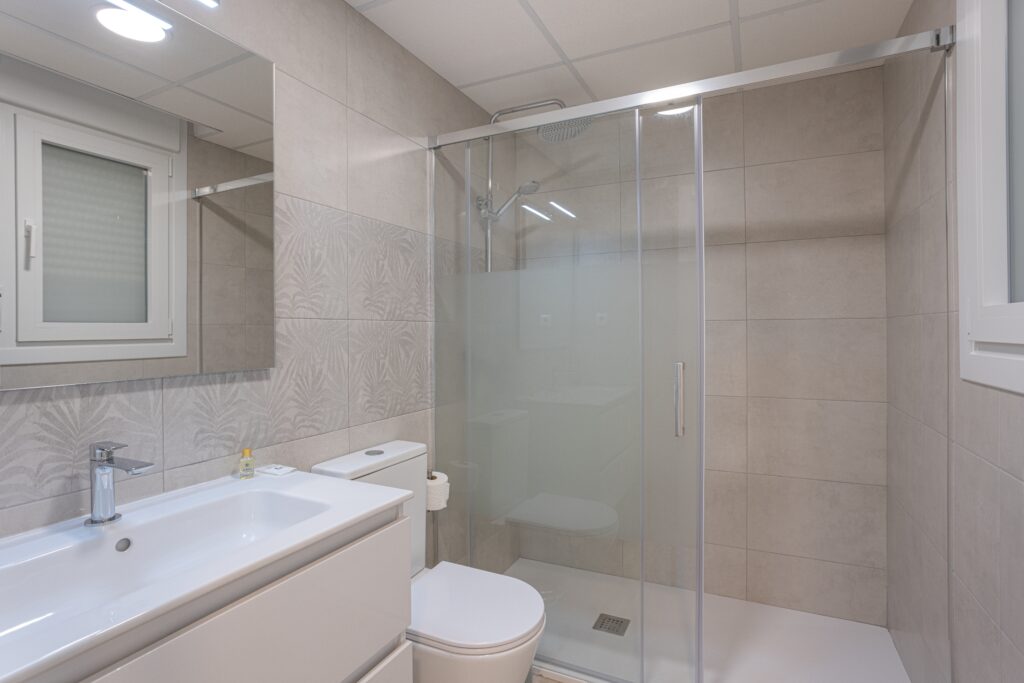
The good news is that brightness does not depend on moving walls, replacing fixtures, or redesigning the room. Bathtub refinishing and tile reglazing can dramatically change how light moves through a bathroom without altering the layout at all. By restoring reflective surfaces and sealing worn materials, these services bring back clarity, cleanliness, and visual space.
Why Bathrooms Lose Brightness Over Time
Bathrooms lose brightness for reasons that cleaning alone cannot fix. Older tubs and tile surfaces slowly change in ways that block light rather than reflect it.
Porcelain and enamel tubs develop microscopic wear that dulls the surface. Tile absorbs residue from soaps, minerals, and moisture. Grout darkens and stains. Even light colored tile starts to look gray or yellow. Over time, light that once bounced around the room gets absorbed instead.
These changes happen gradually, so many homeowners assume the room design causes the problem. In reality, the surfaces no longer support light.
The Role of Reflective Surfaces in Small Spaces
Bathrooms rely heavily on reflection. Most have limited natural light. Artificial lighting often comes from a single ceiling fixture or vanity lights. When surfaces reflect light evenly, the room feels open and clean. When surfaces scatter or absorb light, the room feels closed in.
Bathtubs and wall tile make up a large portion of visible surface area. When these surfaces regain smoothness and gloss, they act like light multipliers. The layout stays the same, but the room feels brighter.
How Bathtub Refinishing Restores Light
A refinished bathtub does more than look clean. The process creates a smooth, sealed surface that reflects light evenly. Old tubs often appear chalky or matte due to wear. This texture traps light rather than reflecting it.
After refinishing, the tub surface regains depth and clarity. Light reflects off the curve of the tub instead of breaking apart. This effect alone can make the entire bathroom feel refreshed.
In bathrooms where the tub sits along a wall or beneath a window, the difference becomes even more noticeable.
Tile Reglazing Changes the Way Walls Interact With Light
Tile walls influence brightness more than most people realize. Old tile tends to darken unevenly. Some tiles stain deeper than others. Grout lines stand out and interrupt the surface.
Tile reglazing creates a continuous finish across both tile and grout. This uniform surface allows light to travel smoothly across walls. Shadows soften. Corners feel less harsh. The bathroom appears cleaner and more open.
This effect works especially well in tub surrounds, shower walls, and full height tiled bathrooms common in older Baltimore and DC homes.
Brightness Without Rearranging Fixtures
Many homeowners think brightness requires moving the vanity or adding windows. Those changes cost time and disrupt daily life. Refinishing works within the existing layout.
The tub stays in place. Tile remains intact. Plumbing stays untouched. The transformation comes from how surfaces respond to light, not where they sit.
This approach appeals to homeowners who want visible improvement without construction stress.
The Psychological Effect of a Brighter Bathroom
Brightness affects how people feel in a space. A brighter bathroom feels cleaner, calmer, and more comfortable. Morning routines feel easier. Evening routines feel more relaxing.
Dark or dull bathrooms often feel cramped even when they have adequate square footage. Refinishing reverses that effect by restoring visual openness.
This improvement matters not just for homeowners but also for guests and potential buyers.
Why Cleaning Alone Stops Working
Many homeowners clean frequently but still feel dissatisfied with how the bathroom looks. That frustration comes from surface damage that cleaning cannot undo.
Once tile glaze wears down, stains sink deeper. Once tub enamel erodes, shine disappears. No cleaner can restore lost surface integrity. Reglazing rebuilds that surface. It does not just remove dirt. It resets how the material behaves.
Grout Color Plays a Bigger Role Than Expected
Grout lines act like visual borders. Dark grout absorbs light and breaks up surfaces. In older bathrooms, grout often darkens unevenly.
Tile reglazing coats grout along with tile. This reduces contrast and creates a unified surface. The eye moves smoothly across walls rather than stopping at every line. That smoothness makes the room feel brighter and larger.
Older Bathrooms Benefit the Most
Homes in Baltimore, Nottingham, MD, and Washington, DC often feature bathrooms built decades ago. These spaces usually have solid construction but dated surfaces.
Refinishing and reglazing preserve the original layout while updating appearance. This balance respects the home’s character while improving daily comfort. Historic bathrooms gain brightness without losing authenticity.
Brightness Without Visual Noise
Replacing tile introduces grout patterns, seams, and transitions that add visual noise. Reglazing simplifies the visual field. Fewer distractions allow light to dominate. The bathroom feels calmer and more cohesive. This simplicity aligns well with both classic and modern styles.
Maintenance Helps Keep the Light Alive
Once surfaces are refinished, simple care keeps them bright. Non-abrasive cleaners preserve the finish. Quick rinsing prevents buildup. The restored surface resists staining better than worn materials. Brightness lasts longer with less effort.
A Smarter Way to Refresh a Bathroom
Refinishing and reglazing focus on what matters most: how the space feels. Without touching the layout, homeowners achieve noticeable improvement. This approach suits busy households, rental properties, and anyone who wants results without renovation.
Frequently Asked Questions About Bathtub Refinishing and Tile Reglazing in Baltimore, Nottingham, MD, and Washington, DC
How does refinishing make a bathroom brighter?
Refinishing restores smooth, reflective surfaces that bounce light instead of absorbing it.
Will the layout of my bathroom change?
No. Refinishing and reglazing work with existing fixtures and layout.
Does tile reglazing affect grout lines?
Yes. Reglazing coats both tile and grout, creating a unified surface that reflects light evenly.
Is this effective in bathrooms with little natural light?
Yes. Restored surfaces improve how artificial light spreads throughout the room.
Does brightness last after refinishing?
With proper care, the restored finish maintains brightness for many years.
Call Tub Coaters at (410) 324-6057 for bathtub refinishing and tile reglazing in Baltimore, Nottingham, MD, and Washington, DC.